
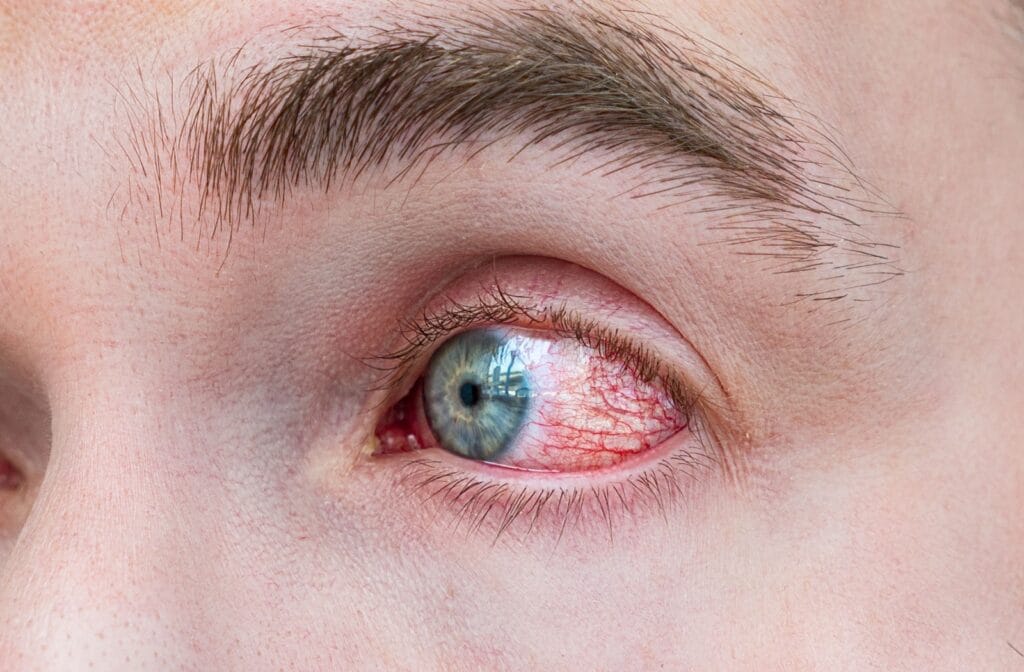
Are your eyes dry, gritty, or watery? Learn about the root causes and symptoms of dry eye disease, plus advanced treatments like Intense Pulsed Light Therapy (IPL), Radiofrequency (RF), and Low-Level Light Therapy (LLLT).
Do your eyes frequently feel dry, scratchy, or tired? Do you find yourself reaching for artificial tears multiple times a day, only to get temporary relief? You are far from alone.
Dry Eye Disease (DED) is one of the most common ocular health conditions, affecting millions of people. While many assume dry eyes are simply a minor nuisance or an inevitable part of aging, untreated dry eye is a progressive condition that can impact your daily comfort, visual clarity, and overall quality of life.
Getting ahead of dry eye symptoms—especially as seasonal changes lower humidity—is the key to long-term comfort. Understanding what causes dry eye and how modern clinical treatments provide lasting relief is the first step toward clearer, more comfortable vision.
What is Dry Eye Disease?
Dry Eye Disease occurs when your eyes either do not produce enough tears, or the tears produced are of poor quality and evaporate too quickly.
Your tear film is complex, consisting of three distinct layers:
- Mucin (Mucus) Layer: Keeps tears anchored to the surface of the eye.
- Aqueous (Water) Layer: Hydrates and nourishes the cornea.
- Lipid (Oil) Layer: Seals the tear film to prevent rapid evaporation.
If any component of this balance is disrupted, your tear film becomes unstable. This leads to friction, localized inflammation, and the classic discomfort associated with dry eye.
Common Symptoms of Dry Eye
Dry eye symptoms vary from person to person and can range from mild irritation to significant pain. Common signs include:
- A burning, stinging, or gritty sensation (feeling like sand is in your eye)
- Redness and irritation
- Sensitivity to light
- Fluctuating or blurry vision that clears temporarily after blinking
- Eye fatigue, especially after screen use or reading
- Difficulty wearing contact lenses
- Excessive watering: This may seem counterintuitive, but when your eyes become inflamed from dry spots, your body reacts by flooding the eye with watery, reflex tears. Because these tears lack the necessary protective oils, they roll right off without providing actual hydration.
What Causes Dry Eyes?
Dry eye disease rarely has a single cause. It is usually driven by a combination of environmental, physiological, and lifestyle factors.
- Meibomian Gland Dysfunction (MGD)
MGD is the leading root cause of dry eye disease, accounting for up to 86% of cases. The meibomian glands, located along the margins of your eyelids, secrete the essential oil layer of your tear film. When these small glands become clogged or inflamed, your tears evaporate rapidly, leading to evaporative dry eye.
- Environmental & Lifestyle Factors
- Screen Time: Prolonged use of computers, phones, and tablets drastically reduces your blink rate, preventing tears from spreading evenly.
- Seasonal Changes: Indoor heating in the fall and winter, along with dry seasonal air, accelerates tear evaporation.
- Air Exposure: Fans, air conditioning, and wind quickly dry out the ocular surface.
- Age & Hormonal Changes
Tear production naturally decreases as we get older. Hormonal fluctuations—particularly during pregnancy, menopause, or when using oral contraceptives—can also alter tear composition.
- Systemic Conditions & Medications
Conditions like thyroid disorders, Sjögren’s syndrome, lupus, and rheumatoid arthritis frequently contribute to dry eye. Additionally, common medications—including antihistamines, decongestants, blood pressure drugs, and antidepressants—can reduce tear output.
Moving Beyond Eye Drops: Advanced Clinical Treatments
While over-the-counter lubricating drops provide temporary soothing, they only cover up the symptoms. They do not fix underlying gland blockages or inflammation.
Modern optometric care focuses on treating the root cause of dry eye disease through advanced clinical technologies that restore your eye’s natural tear architecture.
| ADVANCED DRY EYE TECHNOLOGIES | |
| TECHNOLOGY | PRIMARY OCULAR BENEFIT |
| Intense Pulsed Light Therapy (IPL) | Reduces inflammation & abnormal blood vessels |
| Radiofrequency (RF) | Warms glands to unclog hardened oils |
| Low-Level Light Therapy (LLLT) | Stimulates cellular healing & improve oil flow |
| Dynamic Muscle Stimulation (DMSt) | Rejuvenates eyelid muscle function for more complete blinks |
Intense Pulsed Light (IPL) & Low-Level Light Therapy (LLLT)
IPL targets abnormal, inflamed blood vessels along the eyelid margins that contribute to chronic dry eye. By reducing localized inflammation and clearing bacterial overgrowth, IPL helps restore normal meibomian gland function. LLLT utilizes specific light wavelengths to stimulate cellular repair, soften clogged oils, and boost tear stability.
Aesthetic Perk: Light-based therapies like IPL and LLLT also offer noticeable skin brightening and help even out facial skin tone around the eyes.
Radiofrequency (RF) Treatment
Radiofrequency uses gentle thermal energy to safely heat the eyelids, liquefying hardened oil blockages inside the meibomian glands so they can flow freely again.
Aesthetic Perk: The controlled heat generated by RF stimulates natural collagen and elastin production, helping to reduce fine lines and wrinkles around the delicate eye area.
Dynamic Muscle Stimulation (DMSt)
DMSt applies targeted electrical stimulation to activate the orbicularis oculi and surrounding facial muscles. This mechanical action helps express cleared oils out of the meibomian glands naturally with every complete blink.
Aesthetic Perk: By toning the underlying facial musculature, DMSt provides a natural lifting effect around the eyes.
Reclaim Your Visual Comfort Today
Dry eye disease is a chronic condition, but you don’t have to live with daily irritation. By identifying your specific subtype of dry eye and addressing gland dysfunction directly, long-lasting relief is completely achievable.
If you are experiencing persistent dry eye symptoms, schedule a comprehensive dry eye assessment at ERC Optometry. Our clinic customizes treatment plans to target the precise cause of your discomfort, keeping your eyes healthy, comfortable, and clear through every season.
Quick Links To Our Service Pages
EYE DISEASE DIAGNOSIS & MANAGEMENT
LASER EYE SURGERY CO-MANAGEMENT
ERC Optometry is a boutique optometry clinic located in Brooklin, Ontario, proudly serving patients throughout Durham Region including Whitby, Oshawa, Ajax, Pickering, Port Perry, Uxbridge, and surrounding communities. We offer comprehensive eye exams, dry eye disease management and treatment, specialty contact lenses, myopia management, ocular disease management, and a curated boutique optical.