vision-care

How Often Should You Have an Eye Exam? Ontario Guidelines + Local Insights

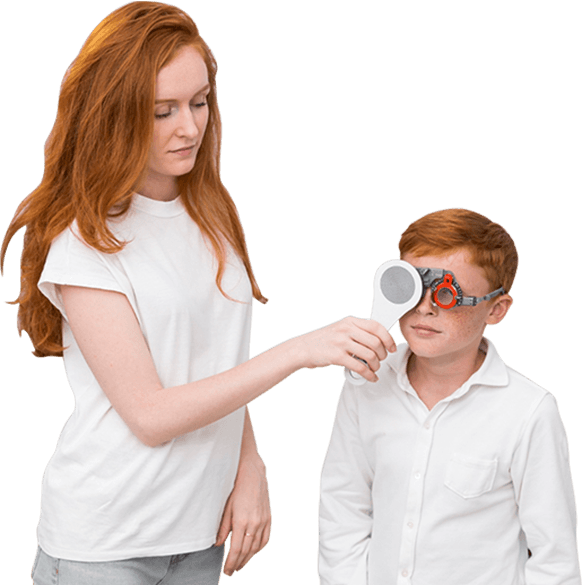
One of the most common questions we hear at ERC Optometry is: “How often do I really need an eye exam?” The answer depends on your age, overall health, and risk factors—but one thing is clear: regular eye exams are essential for protecting both your vision and your eye health, even when everything seems fine. Below, we break down Ontario eye exam guidelines, what’s covered by OHIP, and why local insights matter for patients across Durham Region. Why Regular Eye Exams…

eye exams

Why an Annual Eye Exam Is About More Than Just Your Glasses

Many people in across Durham Region believe an eye exam or vision test is only necessary when their glasses or contact lens prescription changes. In reality, an annual comprehensive eye exam plays a much bigger role in protecting both your vision and your overall health. At ERC Optometry in Brooklin, we often remind patients that eye exams aren’t just about seeing clearly—they’re about detecting eye disease early, monitoring vision changes, and supporting long-term eye health at every age. We strive to be the…

eye-pain

Why Winter Is the Worst Time for Dry Eye (and What You Can Do About It)

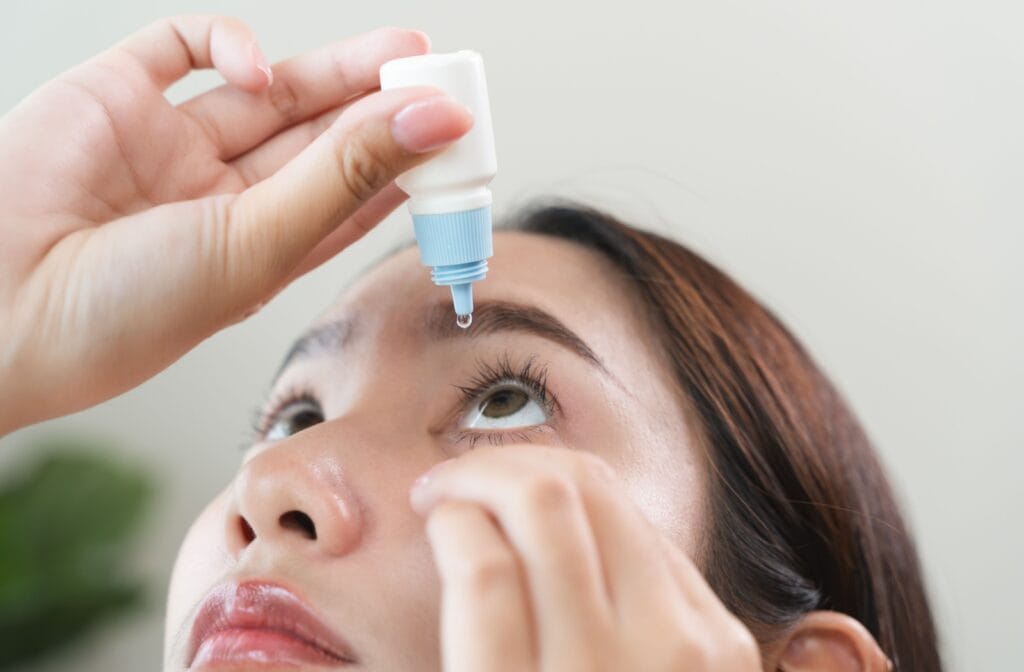
If your eyes feel dry, gritty, irritated, or tired during the winter, you’re not imagining it. Winter is one of the most common—and challenging—times of year for dry eye symptoms to worsen, even in people who don’t usually struggle with eye discomfort. At ERC Optometry, your local Whitby Optometrist,  we see a noticeable increase in dry eye complaints every winter. Understanding why this happens and what you can do about it can make a big difference in your comfort and long-term eye…

eye-care

What Causes One Eye to Be Bigger Than the Other?

It’s common for one of our eyes to be slightly different from the other. While facial asymmetry is usually natural, understanding the potential causes can provide valuable peace of mind and insight into your health. Often, these subtle differences are simply inherited traits or a normal part of the aging process. Lifestyle factors, such as long-term sun exposure, can also influence the appearance of the delicate skin around your eyes over time. In some instances, a change in eye symmetry…

Can Dry Eyes Cause Headaches?

Dry, irritated eyes can feel like more than just a minor inconvenience—often, they can disrupt your entire day. From reading to working at a computer, even the simplest tasks become frustrating when your eyes aren’t comfortable. But can dry eyes actually cause headaches? Dry eyes don’t cause headaches or migraines, but there may be a connection between the two.  Let’s explore how dry eye disease develops, its relationship to headaches, and what treatment options can help you find relief. What Is Dry Eye Disease?…

high blood pressure

Can High Blood Pressure Cause Flashing Lights in Your Eyes?

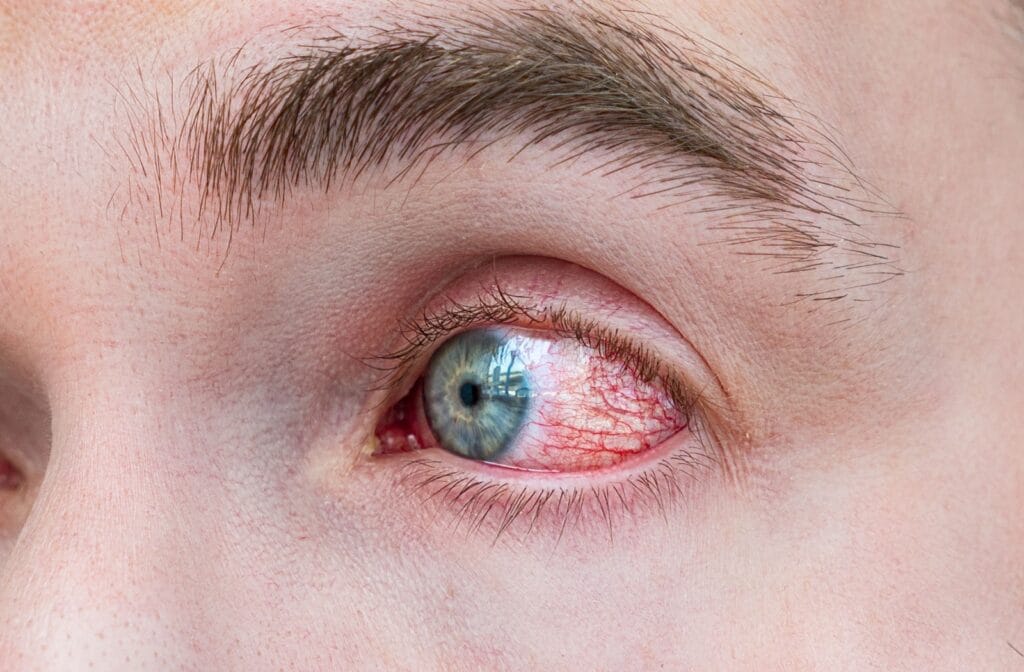
Seeing sudden flashes of light in your vision can feel unsettling, especially if you don’t know what’s causing them. While these brief flickers might seem harmless, they can be your body’s way of signalling a deeper health concern. High blood pressure, also called hypertension, can affect more than just your heart. It can damage the delicate blood vessels in your eyes, sometimes leading to vision changes like flashing lights or floaters. The retina is especially fragile, and these symptoms may be one of…

polarized-glasses

Do Polarized Sunglasses Block UV?

Sunglasses do more than complete an outfit or shield your eyes from bright light. Many are equipped with features that contribute to long-term eye health, polarization being one of the most popular. But while polarized sunglasses help improve comfort outdoors, people often wonder: do they also block UV rays? The short answer is no, not automatically. Polarized lenses and UV protection address different issues, and not all sunglasses offer both. To protect your eyes and see more clearly in sunny conditions, it’s important to understand…

Is Red Light Bad For Your Eyes?

Red light is gaining popularity in wellness and therapeutic settings for its potential benefits in skin health, pain management, and even eye care. With its increasing use in devices and treatments, it’s natural to wonder about its impact on your health, particularly your eyes. Red light is not generally harmful to your eyes. On the contrary, when used appropriately, it can be a key part of your eye and skin health routine. However, as with any technology, the more you understand about its…

vision-care

What Does 20/40 Vision Mean?

When you hear terms like 20/20 or 20/40 vision during an eye exam, you may wonder what they mean for your sight. In simple terms, 20/40 vision means you can see at 20 feet what someone with “normal” vision can see from 40 feet. While 20/40 vision isn’t a severe impairment, it does indicate that your vision is slightly less sharp than average. In this article, we’ll break down how 20/40 vision impacts your daily life and explore ways to improve your clarity.…

contact lenses

Are Contact Lens & Glasses Prescriptions the Same?

If you wear glasses and are considering switching to contact lenses, you might wonder: Can you use the same prescription for both? The short answer is no—contact lens prescriptions differ from glasses prescriptions, even though they both aim to correct your vision. That’s because contact lenses sit directly on your eyes, while glasses rest at a distance. The physical difference affects how light enters your eye, changing the prescription values needed for sharp, comfortable vision. Understanding why these prescriptions differ can help you make confident…