
Itchy, Watery Eyes This Spring? It Might Be More Than Just Allergies
Ah, spring. Warmer days, blooming flowers, longer evenings — and for a lot of us, the dreaded return of itchy, red, watery eyes. If you find yourself reaching for eye drops every April, you’re definitely not alone. Seasonal eye allergies affect millions of Canadians every year, and they can make even the most beautiful spring day feel pretty miserable.
But here’s something a lot of people don’t realize: not everything that looks and feels like an eye allergy actually is one. And even when allergies are the culprit, there’s often more going on beneath the surface. Let’s break it down.
What Are Seasonal Eye Allergies?
Seasonal eye allergies — also known as allergic conjunctivitis — happen when your immune system overreacts to airborne allergens like pollen, grass, mould, and tree spores. In Canada, spring allergy season typically kicks off in March and April as trees begin to bloom and pollen counts climb.
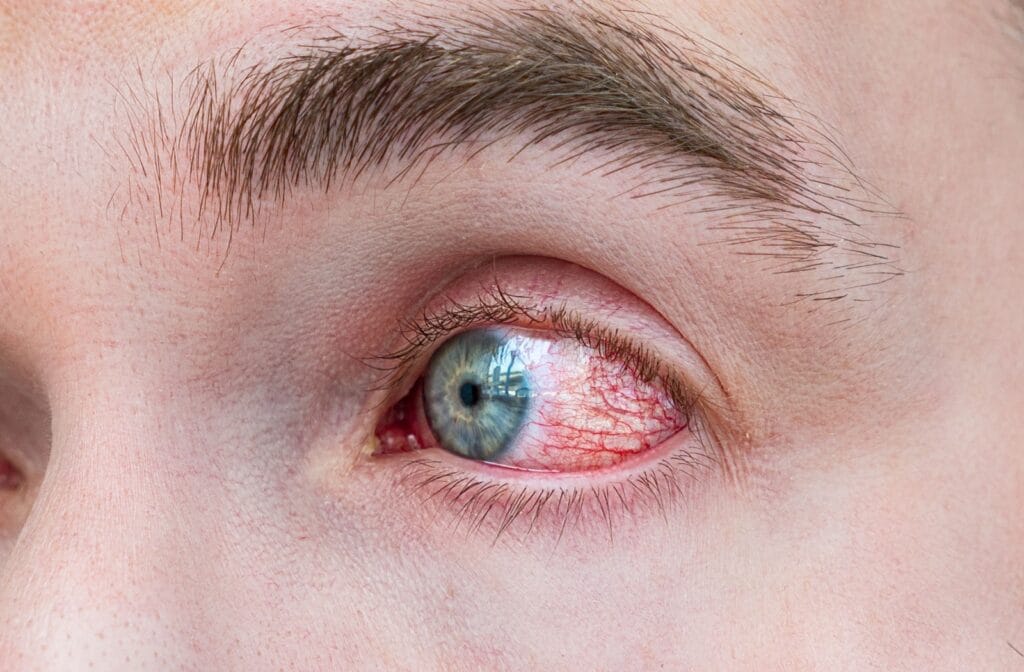
When these allergens come into contact with your eyes, your body releases histamine in response, triggering that all-too-familiar combination of:
- Itching and burning
- Redness and irritation
- Watery or teary eyes
- Puffy, swollen eyelids
- A gritty or uncomfortable sensation
Sound familiar? If you experience these symptoms every spring like clockwork, seasonal allergies are likely playing a role.
But Wait — Could It Also Be Dry Eye?
Here’s where things get interesting. Dry eye and seasonal eye allergies share a lot of the same symptoms, and the two conditions very commonly occur together — especially in spring.
Increased screen time, indoor heating through the winter months, and the windy spring weather we get here in Ontario can all leave eyes feeling dry and depleted heading into allergy season. When dry eye and allergies combine, the symptoms can feel significantly worse than either condition on its own.
The tricky part? Treating allergies alone won’t fix dry eye, and vice versa. If your eyes feel consistently uncomfortable throughout spring — not just on high pollen days — it’s worth having both conditions evaluated by your optometrist.
What’s Actually in the Air Right Now?
Spring in Ontario means a predictable wave of allergens. Here’s what tends to peak in April:
Tree pollen is typically the first major offender of the season, with birch, maple, oak, and elm trees among the biggest contributors. Grass pollen follows later in spring and into early summer. Mould spores can also spike during wet spring weather, particularly after rain when mould releases spores into the air.
Pollen counts tend to be highest on warm, dry, and windy days — so if your symptoms flare up on those days in particular, pollen is likely a key trigger for you.
Tips to Manage Spring Eye Allergy Symptoms
The good news is that there’s a lot you can do to reduce the impact of seasonal allergies on your eyes. Here are some practical strategies to help you get through the season more comfortably:
Check the pollen forecast. Just like you check the weather, get in the habit of checking daily pollen counts in your area. On high pollen days, try to limit time outdoors during peak hours — typically mid-morning and early afternoon.
Keep windows closed on high pollen days. As tempting as it is to let the fresh spring air in, open windows invite pollen straight into your home. Use air conditioning instead when counts are elevated.
Wear sunglasses outdoors. Beyond UV protection, a good pair of wraparound sunglasses acts as a physical barrier between your eyes and airborne allergens. Another great reason to invest in a quality pair this spring!
Avoid rubbing your eyes. We know — it’s so hard not to. But rubbing releases more histamine and makes the inflammation worse. Try a cool compress instead for instant, soothing relief.
Rinse your eyes. Preservative-free artificial tears or saline rinses can help flush allergens off the surface of the eye and provide temporary relief. They’re also great for managing any underlying dry eye symptoms at the same time.
Shower and change clothes after being outside. Pollen clings to hair, skin, and clothing. A quick rinse after spending time outdoors can make a surprising difference in your evening comfort.
Talk to your optometrist about treatment options. Over-the-counter antihistamine eye drops can be helpful for mild symptoms, but prescription-strength options and other targeted treatments are available for more persistent or severe cases. Your optometrist can also help determine whether dry eye is compounding your symptoms and recommend the right approach for your specific situation.
🌿 Product Spotlight: Non-Prescription Relief Available at ERC Optometry
Managing spring eye allergies doesn’t always require a prescription. We’re proud to carry two excellent over-the-counter options in our clinic that can make a real difference in your day-to-day comfort — and the best part is, you can pick them up right here at ERC Optometry.
BIHOCL
BIHOCL is a gentle yet effective hypochlorous acid solution that helps cleanse and soothe the eyes and eyelids. Hypochlorous acid is naturally produced by the body as part of its own defence system, making BIHOCL an incredibly safe and well-tolerated option for sensitive eyes. It works by reducing inflammation, removing allergens, debris, and irritants from the eyelid margins, and supporting overall ocular surface health. For allergy sufferers, it’s a wonderful addition to your daily routine — helping to keep the eye area clean and calm throughout the season.
Zaspray
Zaspray is an easy-to-use eyelid and eye area spray designed to relieve irritation and discomfort associated with allergies, dryness, and general eye sensitivity. Its soothing formula helps hydrate and refresh the eye area quickly, making it a convenient option for on-the-go relief — especially on those high pollen days when your eyes need a little extra support. Simply spray, and let it do the work.
Both BIHOCL and Zaspray are gentle enough for everyday use and complement each other beautifully as part of a complete spring eye care routine. Ask our team about either product on your next visit — we’re happy to walk you through which option might work best for you.
When to See Your Optometrist
If your symptoms are interfering with your daily life, aren’t responding to over-the-counter remedies, or seem to be getting worse each year, it’s time to book an eye exam. What feels like “just allergies” can sometimes involve other conditions that benefit from professional care — and the sooner you get the right diagnosis, the sooner you can actually enjoy spring the way it was meant to be enjoyed.
It’s also a good idea to come in if you notice any discharge, significant swelling, sensitivity to light, or changes to your vision alongside your allergy symptoms, as these can sometimes signal an infection or other issue that needs prompt attention.
Spring Should Be Enjoyed — Not Endured
You shouldn’t have to spend the best months of the year squinting, rubbing your eyes, and counting down the days until pollen season ends. With the right care plan, most patients find significant relief and can get back to enjoying everything spring in Ontario has to offer.
If your eyes are giving you trouble this season, the team at ERC Optometry is here to help. Book an appointment with us today and let’s figure out what’s really going on — so you can get back to enjoying the sunshine.
Quick Links To Our Service Pages
EYE DISEASE DIAGNOSIS & MANAGEMENT
LASER EYE SURGERY CO-MANAGEMENT
ERC Optometry is a boutique optometry clinic located in Brooklin, Ontario, proudly serving patients throughout Durham Region including Whitby, Oshawa, Ajax, Pickering, Port Perry, Uxbridge, and surrounding communities. We offer comprehensive eye exams, dry eye disease management and treatment, specialty contact lenses, myopia management, ocular disease management, and a curated boutique optical.