
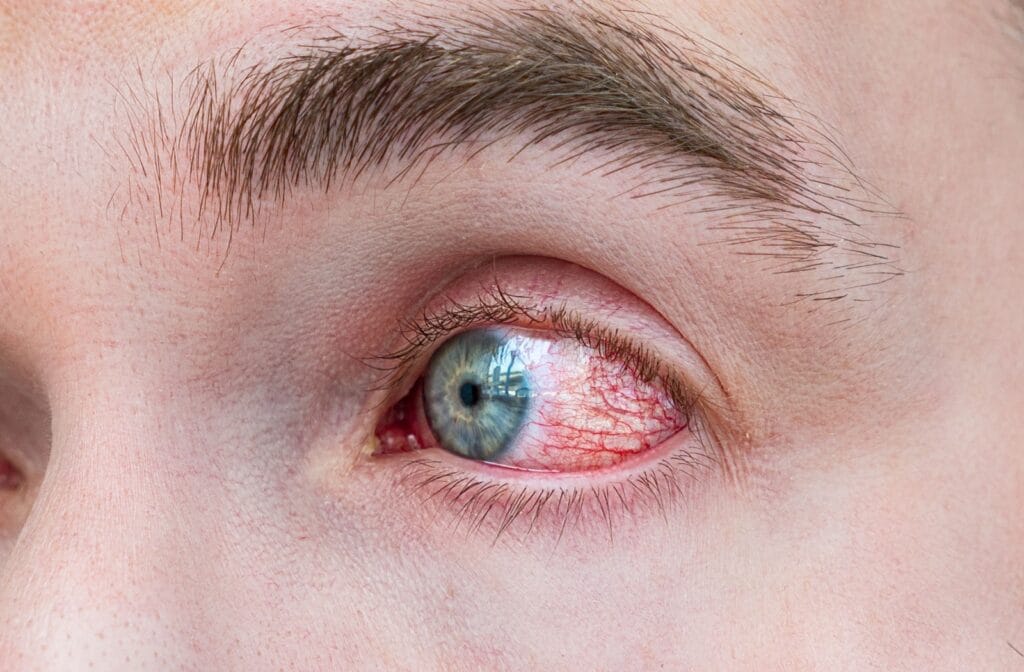
If your eyes feel dry, gritty, irritated, or tired during the winter, you’re not imagining it. Winter is one of the most common—and challenging—times of year for dry eye symptoms to worsen, even in people who don’t usually struggle with eye discomfort.
At ERC Optometry, your local Whitby Optometrist, we see a noticeable increase in dry eye complaints every winter. Understanding why this happens and what you can do about it can make a big difference in your comfort and long-term eye health.
Why Dry Eye Gets Worse in Winter
Several winter-specific factors work together to dry out your eyes:
- Cold Outdoor Air
Cold winter air holds very little moisture. When your eyes are exposed to dry, windy conditions, your tears evaporate more quickly, leaving the surface of the eye unprotected.
- Indoor Heating
Furnaces, space heaters, and fireplaces significantly reduce indoor humidity. Prolonged exposure to dry indoor air can destabilize the tear film and worsen dry eye symptoms—especially if you spend most of your day indoors.
- Increased Screen Time
Shorter days and colder weather often mean more time on screens—whether for work, school, or entertainment. When we use screens, we blink less frequently, which reduces tear distribution and allows tears to evaporate faster.
- Underlying Meibomian Gland Dysfunction (MGD)
Many dry eye patients have meibomian gland dysfunction, where the oil glands in the eyelids don’t produce enough healthy oil. These oils are essential for preventing tear evaporation, and cold weather can further thicken or block them.
Common Winter Dry Eye Symptoms
Dry eye doesn’t look the same for everyone. Winter symptoms may include:
- Dryness or gritty sensation
- Burning or stinging
- Redness or irritation
- Fluctuating or blurry vision
- Excessive tearing (a reflex response to dryness)
- Contact lens discomfort
- Eye fatigue, especially at the end of the day
If these symptoms sound familiar, it’s worth having your eyes assessed—especially if over-the-counter drops aren’t helping.
What You Can Do to Relieve Winter Dry Eye
- Get a Proper Dry Eye Evaluation
Not all dry eye is the same so don’t wait until you need an emergency optometrist! A comprehensive dry eye assessment helps identify whether your symptoms are related to tear quality, tear quantity, eyelid gland function, or inflammation. This allows treatment to be tailored to your eyes—not just the symptoms.
- Treat the Root Cause (Not Just the Symptoms)
While artificial tears can provide temporary relief, they don’t address underlying issues like blocked oil glands or inflammation. In-office dry eye treatments can help restore healthier tear function and provide longer-lasting comfort.
- Improve Your Environment
- Use a humidifier at home and at work
- Avoid direct airflow from vents or heaters
- Take regular screen breaks and blink intentionally
- Be Mindful With Contact Lenses
Winter dryness can make contact lenses feel uncomfortable. A dry eye assessment can determine whether adjustments, specialty lenses, or additional treatments could improve comfort.
Why Treating Dry Eye Early Matters
Dry eye is a chronic condition for many people and tends to worsen over time if left untreated. Early intervention can:
- Improve daily comfort
- Reduce inflammation
- Protect the surface of the eye
- Improve visual stability
- Enhance contact lens tolerance
Most importantly, it can significantly improve your quality of life—especially during the winter months.
Start the Year With Clear, Comfortable Vision
If winter has your eyes feeling uncomfortable, irritated, or strained, now is the perfect time to address it. At ERC Optometry, we offer personalized dry eye evaluations and modern treatment options designed to target the root cause of your symptoms.
Book a dry eye consultation or annual eye exam today and start the year with clearer, more comfortable vision.
Quick Links To Our Service Pages